
Commissioning and Acceptance
Why Airflow, Drainage, and Thermostat Setup Matter After Installation
Why Airflow, Drainage, and Thermostat Setup Matter After Installation is a practical topic for anyone trying to stay comfortable without turning an HVAC decision into a stressful construction project. Air conditioning and heat pump choices affect comfort, bills, noise, safety, and long-term maintenance. A good decis...
Decision Context
Why Airflow, Drainage, and Thermostat Setup Matter After Installation is a practical topic for anyone trying to stay comfortable without turning an HVAC decision into a stressful construction project. Air conditioning and heat pump choices affect comfort, bills, noise, safety, and long-term maintenance. A good decision starts with the building, not the catalog. The room size, insulation, sun exposure, local climate, electrical service, lease rules, and installer quality all shape the result.
What This Decision Really Involves
The mistake many buyers make is treating AC as a box purchase. A unit can look attractive online and still perform poorly in the wrong room, on the wrong wall, or with the wrong electrical setup. A small bedroom, a glassy apartment, a humid ground-floor shop, and a detached house all need different thinking. Before comparing brands, write down the area served, ceiling height, window direction, number of occupants, heat from appliances, and any comfort complaints that already exist.
Key Checks Before You Spend Money
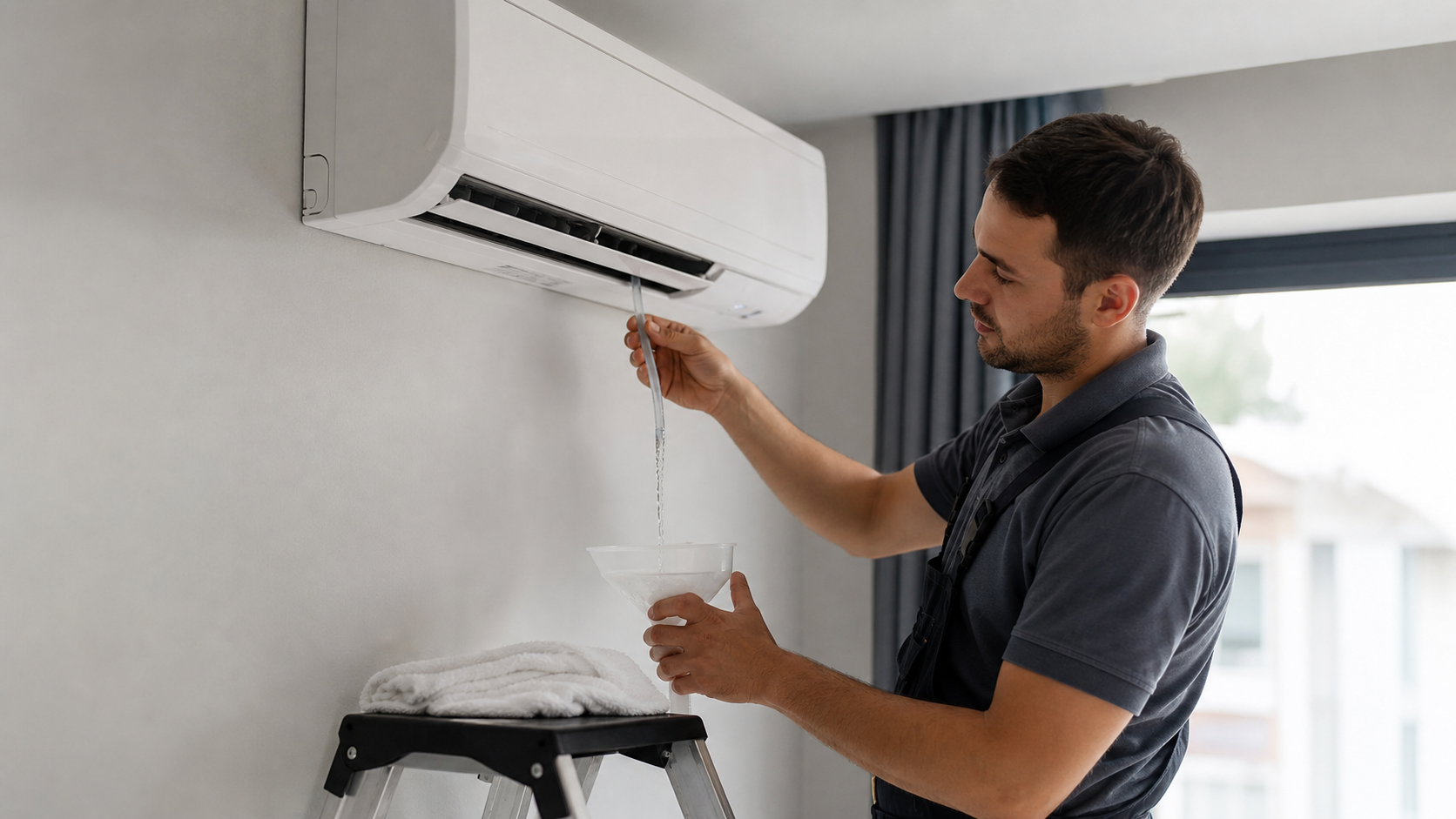
For Why Airflow, Drainage, and Thermostat Setup Matter After Installation, build your checklist around airflow, temperature split, condensate drainage, thermostat setup, documentation, and user training. Ask for model numbers, capacity, efficiency data, warranty terms, and a written description of installation work. If the job includes a mini split, packaged terminal unit, central system, or heat pump, ask where the outdoor unit will sit, how condensate will drain, how refrigerant lines will be protected, and which circuit will power the system.
Installation, Compliance, and Documentation
A professional installation should leave a paper trail. The quote should define equipment, labor, warranty, exclusions, disposal, access needs, and payment stages. In many locations, refrigerant work, electrical changes, roof penetrations, and heat pump installations may require licensed professionals, permits, or certified installers. In the UK, heat pump guidance often points consumers toward MCS-certified installers and consumer protection schemes. In the US, EPA refrigerant rules affect how technicians handle regulated refrigerants.
Performance After the System Starts
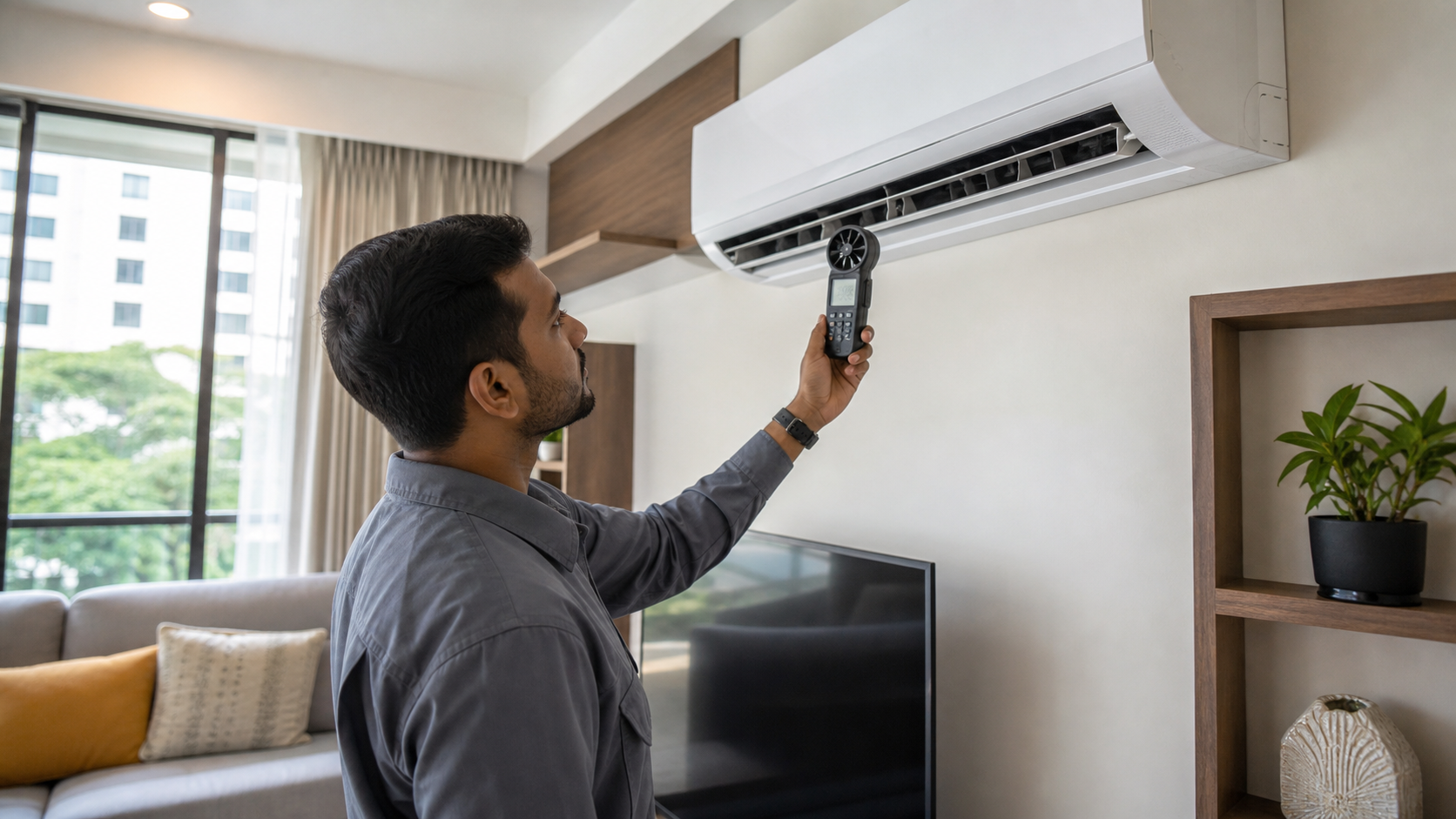
The job is not finished when cold air appears. A new AC or heat pump should be checked under real operating conditions. The installer should confirm airflow, drainage, thermostat operation, outdoor clearance, remote settings, and user controls. For heat pumps, the handover should cover heating mode, defrost behavior, filter care, and realistic temperature settings.
Costs Beyond the Purchase Price
The lowest quote is not always the lowest cost. A cheap installation can become expensive if drainage fails, warranty registration is missed, the unit is hard to service, or the equipment is poorly matched to the building. Operating cost also matters. Efficiency labels, inverter technology, correct sizing, filter care, and sensible thermostat settings all influence the bill.
Common Questions
Can a renter install AC without asking the landlord? Usually no, if the unit changes the building, affects wiring, penetrates a wall, alters a window permanently, or places equipment outside. Portable units may still need window venting approval in some buildings.
Practical Takeaway
The best AC project is boring in the right way: clear scope, proper sizing, safe installation, documented commissioning, and predictable maintenance. Why Airflow, Drainage, and Thermostat Setup Matter After Installation should help readers ask better questions before they spend money. A comfortable home or small business does not come from one product claim. It comes from a matched system, a competent installer, and a maintenance plan that keeps the equipment working after the invoice is paid.
Sources:
ENERGY STAR Room Air Conditioners https://www.energystar.gov/products/room_air_conditioners
FAQ
What should readers remember about Why Airflow, Drainage, and Thermostat Setup Matter After Installation?
Why Airflow, Drainage, and Thermostat Setup Matter After Installation should be treated as an educational planning guide. Readers should compare the room, installation limits, documentation, maintenance needs, and local professional requirements before making a decision.
When should a qualified HVAC professional be involved?
Readers should involve qualified local professionals for installation, electrical work, refrigerant handling, permitting, commissioning, warranty-sensitive repair, and safety decisions.